Supporting accounting, legal and financial firms from Welwyn Garden City since 1999

TristarTech Solutions

Business partners first. Technology people second.

Technology should help your people do their jobs better and help your business get where it wants to go. That is where our work starts.

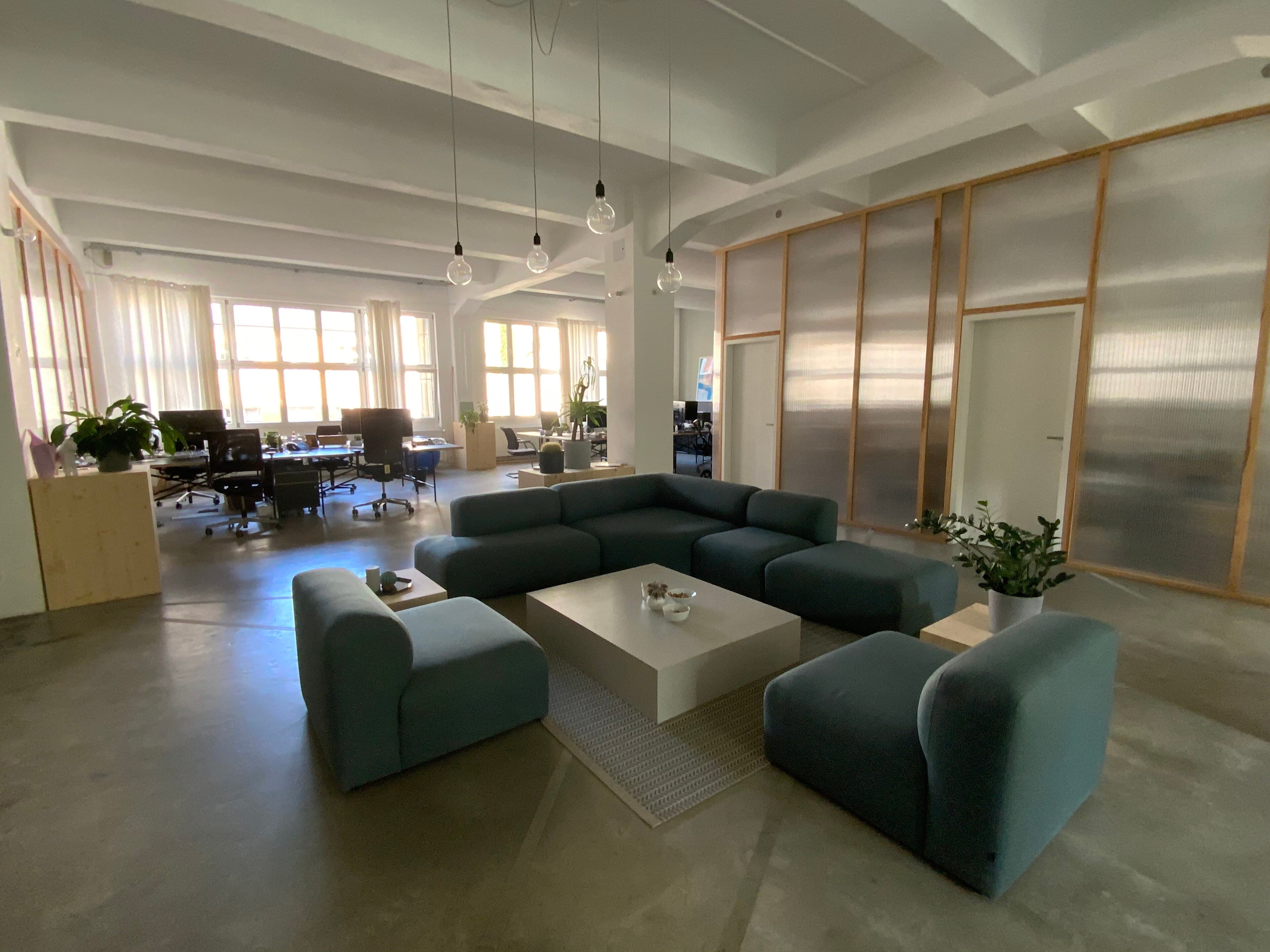
A bright converted-loft office with sofas, plants and desks

Good IT starts with understanding the business.

Technology matters. But technology itself isn't the point.

It exists to help your people do their jobs well, serve your clients, collaborate effectively and keep the business moving. The right technology should make that easier, not add unnecessary complexity or get in the way.

That's why we think like a business partner first and a technology company second.

We don't believe the best IT advice is simply to recommend the newest, most powerful or technically sophisticated solution. Good advice starts with understanding how your business works, what matters to you and where you're trying to go.

That means looking at technology decisions in the context of the wider business.

Technology should help people do their jobs better.

We look beyond whether a system technically functions and consider how it affects the people who rely on it. Is it helping your team work efficiently? Is it creating unnecessary friction? Could something be simpler or more reliable?

Technology decisions should make business sense.

The technically best solution isn't always the best business decision. Sometimes the most sophisticated set-up is the right call. Sometimes cash flow or timing means a staged approach makes more sense. And sometimes the right advice is to wait, or not to spend the money at all. Our job isn't to sell you technology for the sake of it.

Good IT planning means understanding where the business is going.

That means having conversations about growth, new people, office moves and future plans, not just responding when something breaks. The better we understand your business, the better we can help you decide what needs attention now, what can wait and what will support you over the longer term.

This way of thinking shapes everything we do, from resolving everyday IT problems and protecting your systems to planning future technology investments.

Because good IT isn't about having more technology. It's about having the right technology, for your people, your business and where you want to go next.

Our story.

We started by building technology. We stayed to take responsibility for it.

Tristar didn't begin as an IT support company. In 1999, we started as a web development agency, building websites at a time when having a serious presence on the internet was still relatively new.

Then our own IT support company went out of business.

Suddenly, we were the client left wondering who was going to look after the technology we depended on. We didn't particularly enjoy being in that position, but the experience changed the direction of the business.

Around the same time, our web clients started asking us a surprisingly simple question: "Can you look after our IT as well?"

It sounds like an odd request now. We were a web agency. We designed websites. And yet clients were asking us to manage their IT.

Today, web development and IT support are obviously different businesses. Around 2000, they weren't necessarily seen that way. For many business owners, websites, email, the internet, networks and computers were all simply "computer stuff". The internet was something you dialled into, and the person who could get your website online was, understandably, the person you called when the office computer stopped working. If they already trusted us with their website, asking us to look after the rest didn't seem like such a strange leap.

So, in 2001, we launched Tristar Support alongside our web business.

That's when we discovered what IT support really means.

We quickly learned that looking after someone's IT is very different from building them a website.

A website is a project. You build it, launch it and continue to develop it as needed. But IT sits inside the business.

It affects how people work every day, how information is protected, whether employees can do their jobs and whether the business can keep operating when something goes wrong.

Looking after it isn't a project with an end date. It's an ongoing responsibility.

And we found that we liked that responsibility.

Over the following 25 years, technology changed enormously. But the underlying need has barely moved. Businesses still need somebody who will take responsibility for the technology they depend on.

That's the role we found in 2001, and it's the one we still play. It means understanding the business behind the technology, owning the systems people rely on rather than just fixing them when they break, and knowing what needs attention now, what can wait and where technology can genuinely help the business move forward.

Today, Tristar provides managed IT support, cyber security, cloud solutions, web development and managed hosting to businesses across the UK.

When our own IT company disappeared, we were left holding the problem. Tristar has been built around doing the opposite: understand the business, take responsibility for the technology it depends on, and be there for the long term.

Our mission.

Taking responsibility for technology from the perspective of the business.

When a business asks us to look after the systems it depends on every day, we take that responsibility seriously. We know what the alternative feels like: in 2001, our own IT provider disappeared and left us wondering who was looking after ours.

That experience helped shape how we think about our job. We look after technology from your side of the table, not just the technical one.

That means asking the questions a business owner would ask. Where is the business going? What do its people need? What are the risks? Where could technology make things simpler or more effective? What needs investment now, and what can wait?

It means keeping systems reliable and secure, but also taking responsibility for the bigger picture: giving clear advice, planning ahead, spotting opportunities and telling you when the right answer is to do less.

Because the job isn't to look after your computers. It's to make sure your business can rely on technology, and that it helps you get where you're going.

Our values.

“Values” is a word that gets used a lot. But what does it really mean?

For us, a value is a principle that shows in our work and it governs how we make decisions. It isn't something aspirational.

So we've tried to make ours as concrete as possible and included an example from our work.

Curious

We don't assume we understand something just because we're supposed to be the experts in the room. We'd rather ask questions, challenge our assumptions and understand how your business really works before deciding what the technology should do.

What this looks like in practice: Sometimes we'll ask questions that might seem obvious to you. We'd rather risk looking like we don't know something than pretend we do. Because quite often, the answer to the obvious question changes the problem we're trying to solve.

Problem Solvers

We don't believe in simply fixing the symptom and moving on. We look beyond the immediate issue to understand what's causing it, then find a practical solution that makes things better for the long term.

What this looks like in practice: If the same support ticket keeps coming back, closing it again isn't good enough. We investigate why it keeps happening and work to fix the underlying problem, even if it’s not primarily a technical cause.

Humbly Confident

Our experience gives us the confidence to make clear recommendations, but not to pretend we always have the answer. We listen to different perspectives and are honest about what we know and what we still need to find out.

What this looks like in practice: If we know the right course of action, we'll tell you clearly and explain why. If we're not sure, we'll say so, investigate it and come back with an answer rather than bluffing our way through it.

Responsible

Our clients trust us with systems their businesses depend on every day. We believe that means taking responsibility for the consequences of our advice, not simply whether the technology works.

What this looks like in practice: If your current systems can safely do the job for another year and cash flow is tight, we'll tell you to postpone or phase the upgrade, even if selling you everything now would mean more revenue for us.

Let’s talk about your business.

Start with a Free Partnership Review call. We will listen to what matters to you before recommending any services.

  • Twenty to thirty minutesWith a senior engineer, on a video call.
  • A written summary you keepOne page, yours whether or not we ever work together.
  • No obligationNothing to sign at the end, and no pressure to.
CallFree Review